
Hormone Balancing
Tired, gaining weight, or losing hair without a clear reason? We look at the hormones behind it.

Last updated October 2026

When hormones are the reason
Weight gain, fatigue, hair thinning and irregular periods often get treated one at a time. Many share a root cause. Thyroid problems, insulin resistance and PCOS can each produce several of these at once.
What we look at
What we check
- Thyroid function, including TSH
- Blood sugar and insulin resistance
- Signs of PCOS
- Cholesterol and blood pressure
- Vitamin D, B12 and iron
Insurance
Many of these visits and labs can be billed to insurance as primary care. We are in-network with most PPO plans.
What happens next
Labs
The tests that fit your symptoms.
Your results
Dr. Munib explains them in plain language.
Treatment
Based on the cause: thyroid medication, a metabolic or weight plan, nutrition counseling, or a specialist referral.
Recheck
Follow-up labs and plan adjustments.
Book Your Consult
Book a visit with Sabeen Munib M.D. Prices are shown in the booking window before you book.
Could it be my thyroid?
An underactive thyroid can cause tiredness, weight gain, feeling cold, constipation, dry skin, thinning hair, heavy periods and low mood. An overactive thyroid can cause weight loss, a racing heart, anxiety, shakiness, heat intolerance and lighter periods.
A TSH blood test is the first step. If it is off, a free T4 and sometimes thyroid antibodies follow. Many people with these symptoms have a normal thyroid, which is why other causes are checked at the same time.
How PCOS is diagnosed
PCOS is diagnosed when you have at least two of these three, after other causes such as thyroid problems and high prolactin are ruled out:
- Irregular or missed periods
- Signs of high androgens: extra facial or body hair, acne, scalp hair thinning, or a high testosterone level on blood work
- Polycystic ovaries on ultrasound, or a high AMH blood level
In teens, both irregular periods and high androgens are needed, and an ultrasound is not used in the first 8 years after periods begin.
PCOS treatment: periods, skin, weight and long-term health
PCOS treatment depends on what bothers you most and whether you want to become pregnant.
Periods, acne and hair
A combined birth control pill is often the first choice. It regulates periods and protects the lining of the uterus.
Blood sugar and weight
Healthy habits come first. Metformin may be added, and a brand-name GLP-1 medicine is an option for patients who qualify for weight treatment.
Long-term checks
PCOS raises the risk of type 2 diabetes, high cholesterol, sleep apnea and depression. Blood sugar is checked every 1 to 3 years, and mood and sleep are part of your visits.
Trying to conceive
Tell Dr. Munib. The plan changes, and she may refer you to a fertility specialist.
Insulin resistance: what it means
Insulin resistance means your body needs more insulin to keep blood sugar normal. It often comes with belly weight, darker velvety skin on the neck or underarms, PCOS and a family history of diabetes. There is no single routine test for it. Dr. Munib uses A1c or fasting glucose, cholesterol, blood pressure and waist size to see where you stand.
An A1c of 5.7 to 6.4 percent is prediabetes. Losing 5 to 7 percent of your weight and staying active lowers the chance of it becoming type 2 diabetes.
Hormone tests that do not help
Some hormone panels sold online or at wellness clinics measure a lot but answer little. Dr. Munib orders tests that can change your treatment.
- Saliva hormone tests: levels vary too much to guide treatment.
- Testing for 'adrenal fatigue': it is not a recognized medical diagnosis. Real adrenal problems are rare and tested in specific ways.
- Estrogen and progesterone levels in perimenopause: they swing from day to day, so one result is not reliable.
Ongoing tiredness has many causes, including thyroid, anemia, low B12, sleep apnea and depression. These are checked first.
Insurance and cost
Hormone balancing visits and labs can be billed to insurance as primary care. We are in-network with most PPO plans, and HSA and FSA cards are accepted. Without insurance, visits are $190 for new patients and $150 for returning patients.
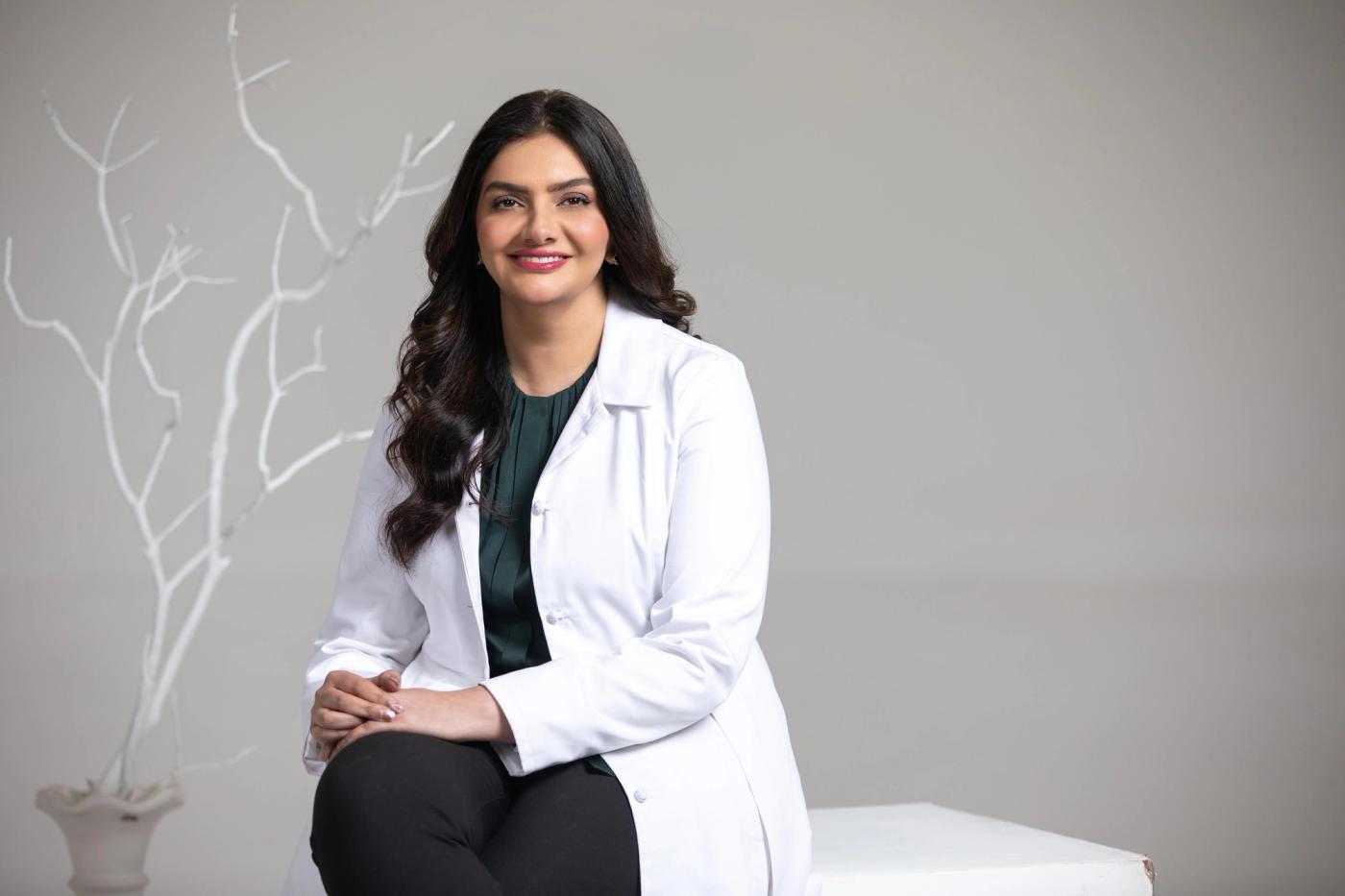
Sabeen Munib M.D.
MD · Residency at the University of Minnesota
Dr. Munib has cared for patients in Irvine and Orange County for more than 15 years. She focuses on preventive care, chronic disease management and whole-person wellness, and she takes the time to explain what she finds.
- Speaks Urdu and Hindi; our team also speaks Arabic, Farsi and Tagalog
- Sees adults and teens 12 and older
What our patients say
“I've been with Dr.Munib for nearly 10 years and she's been absolutely incredible. She's always available and goes out of her way to help. She's incredibly responsive and has helped me with issues that other specialists couldn't solve. It's so important to have a doctor who is always there for you and goes above and beyond to help and I found that with Dr.Munib. I can't recommend her enough! She's simply amazing.”
“Dr. Munib is an amazing doctor. She listens to your health concerns and addresses them right away. She is very kind and takes her time to listen and explain everything. I’ve always been anxious to visit a doctor’s office, so I’m glad I found Dr. Munib because she is the best!”
“Dr. Munib is a wonderful doctor, always listening and giving spot-on diagnosis, she does not steer us wrong. No nonsense and to the point. My family and I truly appreciate her as a doctor.”





More hormones services
Hormone ReplacementTestosteronePCOS TreatmentMenopause Hair LossAll hormones →Frequently asked questions
Questions are welcome. Our team is happy to help before you book.
Call (949) 647-5234Is hormone balancing the same as HRT?
No. HRT treats menopause and low testosterone. Hormone balancing looks at thyroid, blood sugar and metabolic causes.
Do I need a referral?
No.
What blood test checks for hormone imbalance?
There is no single test. Dr. Munib chooses tests from your symptoms, often TSH, A1c or glucose, cholesterol, and for PCOS, testosterone and other hormone levels.
Can PCOS be cured?
No, but it can be managed well. Treatment targets your symptoms and lowers your long-term risk of diabetes and heart disease.
Does PCOS go away after menopause?
Periods may become more regular with age, but the higher risk of diabetes and heart disease continues, so checks carry on after menopause.
Is adrenal fatigue real?
It is not a recognized medical diagnosis. Tiredness is real, and Dr. Munib looks for the medical causes, such as thyroid, anemia, low B12 and sleep apnea.
Can a thyroid problem cause weight gain?
An underactive thyroid can cause some weight gain, mostly from fluid. Treating it may help, but it rarely explains large weight changes alone.
Do I need to see an endocrinologist for PCOS or thyroid?
Most PCOS and thyroid care can be handled in primary care. Dr. Munib refers you to an endocrinologist if your case needs it.
Can GLP-1 medicines help with PCOS?
For patients with PCOS who qualify for weight treatment, a brand-name GLP-1 medicine (Wegovy, Ozempic, Zepbound or Mounjaro) is an option. They are prescribed for weight or diabetes, not for PCOS itself.
Have any Questions? Feel Free To Contact Sabeen Munib M.D.
Get in touch and our team will call or email you. You can also call (949) 647-5234.