
Joint pain treatment in Irvine
PRP and PRFM injections for knee, shoulder, hip and tendon pain, made from your own blood. Dr. Munib decides whether they fit after reviewing your health.


PRP and PRFM for joint and tendon pain in Irvine
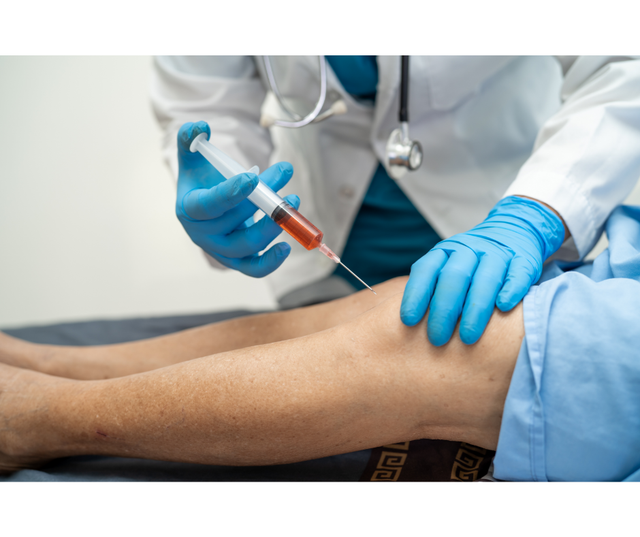
PRP and PRFM are made from a small sample of your own blood, concentrated and injected into the painful area by Dr. Munib. Whether they fit depends on the joint, your history and how long the pain has lasted.
- Knee, shoulder and hip pain from osteoarthritis
- Tendon pain: tennis elbow, golfer's elbow, Achilles, rotator cuff and plantar fasciitis
- Selphyl PRFM holds platelets in place longer than standard PRP
- The visit takes about 45 minutes to an hour, with little downtime
What PRP and PRFM are
PRP (platelet-rich plasma)
A small amount of your blood is drawn and spun in a centrifuge to concentrate the platelets, which carry growth factors involved in healing. The plasma is then injected into the painful joint or tendon.
Read more → about PRP (platelet-rich plasma)PRFM (platelet-rich fibrin matrix)
Also made from your own blood, with the Selphyl system. The fibrin holds the platelets in place, so they stay where they are injected longer than standard PRP.
Read more → about PRFM (platelet-rich fibrin matrix)Conditions Dr. Munib evaluates
Most long-running tendon pain is wear in the tendon rather than active swelling. That is one reason steroid shots can give short relief without lasting change.
- Knee, hip and shoulder pain from osteoarthritis
- Tennis elbow and golfer's elbow
- Achilles and rotator cuff pain
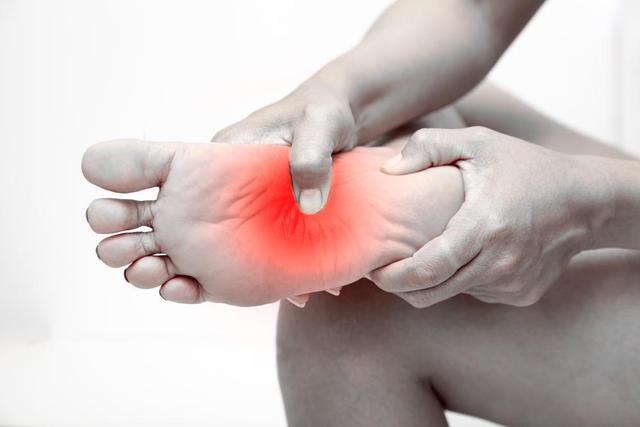
- Plantar fasciitis (heel pain)
- Ligament sprains
Who is a good fit, and who is not
Often a good fit
Pain that has lasted months despite rest, bracing and physical therapy, and people who want to avoid repeated steroid injections.
Not a good fit
A full tendon tear that needs surgery. Active infection, certain blood disorders and some blood-thinning medicines need a review first.
What to expect
Dr. Munib examines the joint or tendon and reviews your history and any imaging, then decides whether an injection fits. The visit takes about 45 minutes to an hour.
Some people need one injection; others do better with a short series spaced several weeks apart. Mild soreness or swelling for a few days is common, and most people return to normal daily activity soon after. Physical therapy alongside the injection matters as much as the injection itself.
Because PRP and PRFM come from your own blood, allergic reactions are unlikely. As with any injection, there is a small risk of infection, bleeding or injury to a nerve or blood vessel.
Cost
PRFM is usually self-pay, and you get the cost before treatment. Prices are shown in the booking window before you book.
Knee arthritis, tendon pain or a sports injury: where to start
Knee arthritis
For aching knees from wear and tear, often in active people in their 50s and 60s who want to stay active and delay surgery.
Read more → about Knee arthritisTendon pain
Tennis and golfer's elbow, Achilles, rotator cuff and heel pain (plantar fasciitis) that has lasted months.
Read more → about Tendon painWhat a PRP visit involves
The blood draw, the injection, aftercare and cost, step by step.
Read more → about What a PRP visit involvesWhat usually comes before an injection
Injections are most useful as part of a plan, not on their own. For most joint and tendon pain, Dr. Munib starts with the steps that have the strongest support.
- A targeted exercise or physical therapy program
- Weight management when extra weight loads the knees or feet
- Bracing, supportive shoes or activity changes
- Anti-inflammatory gels or tablets, if safe for you
PRP and PRFM have mixed evidence and are usually self-pay, so Dr. Munib talks through realistic expectations before you decide.
Joint pain that needs a check first
Some joint pain needs a diagnosis before any injection. Book a regular visit, or get urgent care, if you have:
- A hot, red, swollen joint, or a fever with joint pain
- Sudden severe pain, or pain after a fall or injury where you cannot bear weight
- Pain and swelling in several joints with morning stiffness
- Joint pain with weight loss you cannot explain
These can point to infection, gout, inflammatory arthritis or a fracture, which are treated differently.
Insurance for joint pain visits
An office visit to diagnose joint pain is medical care, and we are in-network with most PPO plans; no referral is needed. Cash visits are $190 for new patients and $150 for returning patients.
PRP and PRFM injections themselves are usually self-pay, since most plans, including Medicare, do not cover them. HSA and FSA cards are accepted.

Sabeen Munib M.D.
MD · Residency at the University of Minnesota
Dr. Munib has cared for patients in Irvine and Orange County for more than 15 years. She focuses on preventive care, chronic disease management and whole-person wellness, and she takes the time to explain what she finds.
- Speaks Urdu and Hindi; our team also speaks Arabic, Farsi and Tagalog
- Sees adults and teens 12 and older
Joint pain services
How it works
What our patients say
“I've been with Dr.Munib for nearly 10 years and she's been absolutely incredible. She's always available and goes out of her way to help. She's incredibly responsive and has helped me with issues that other specialists couldn't solve. It's so important to have a doctor who is always there for you and goes above and beyond to help and I found that with Dr.Munib. I can't recommend her enough! She's simply amazing.”
“Dr. Munib is an amazing doctor. She listens to your health concerns and addresses them right away. She is very kind and takes her time to listen and explain everything. I’ve always been anxious to visit a doctor’s office, so I’m glad I found Dr. Munib because she is the best!”
“Dr. Munib is a wonderful doctor, always listening and giving spot-on diagnosis, she does not steer us wrong. No nonsense and to the point. My family and I truly appreciate her as a doctor.”





Frequently asked questions
Questions are welcome. Our team is happy to help before you book.
Call (949) 647-5234What is the difference between PRP and PRFM?
Both come from your own blood. PRFM adds a fibrin matrix that holds the platelets in place, so they stay at the injection site longer than standard PRP.
Which joints can be treated?
Most often the knee, shoulder and hip, plus tendons such as the elbow, Achilles, rotator cuff and plantar fascia. Dr. Munib decides based on your exam and history.
PRP or PRFM, or a steroid shot?
Steroids calm pain quickly. PRP and PRFM aim at the tissue itself. Dr. Munib explains which fits your case.
How many injections will I need?
Some people need one. Others do better with more than one session spaced several weeks apart. It depends on the joint and how you respond.
Is there downtime?
Most people return to normal daily activity soon after. Mild soreness at the injection site for a few days is common.
Are PRP injections safe?
They use your own blood, so allergic reactions are unlikely. As with any injection, there is a small risk of infection, bleeding or injury to a nerve or blood vessel.
Is PRFM covered by insurance?
PRFM is usually self-pay. You get the cost before treatment.
Do I need an X-ray or MRI before a joint injection?
Often an X-ray helps, especially for knee arthritis, and an MRI is sometimes needed for tendon or shoulder problems. Bring any imaging you already have; Dr. Munib orders more only if it would change the plan.
Can PRP help hip or shoulder arthritis?
It is sometimes used for hip and shoulder pain, but the evidence is thinner than for the knee. Dr. Munib reviews your imaging and tells you plainly whether it is worth trying.
Can I get a joint injection at my first visit?
Sometimes, if the diagnosis is clear and PRP fits. Often the first visit is for the exam and plan, with the injection booked after.
Does PRP work for everyone?
No. Some people feel real improvement and others notice little change, which is why Dr. Munib explains the odds before you pay for it.
Do you refer to orthopedic surgeons?
Yes. If your joint needs surgery or a specialist opinion, such as a full tendon tear or severe arthritis, Dr. Munib refers you.
Can weight loss help my knee pain?
For people carrying extra weight, losing some of it is one of the most effective steps for knee arthritis pain. Dr. Munib can include a weight plan, including GLP-1 medicines for those who qualify.
Have any Questions? Feel Free To Contact Sabeen Munib M.D.
Get in touch and our team will call or email you. You can also call (949) 647-5234.