
Ozempic vs Wegovy: Same Drug, Different Rules (A Physician Explains)
By Dr. Munib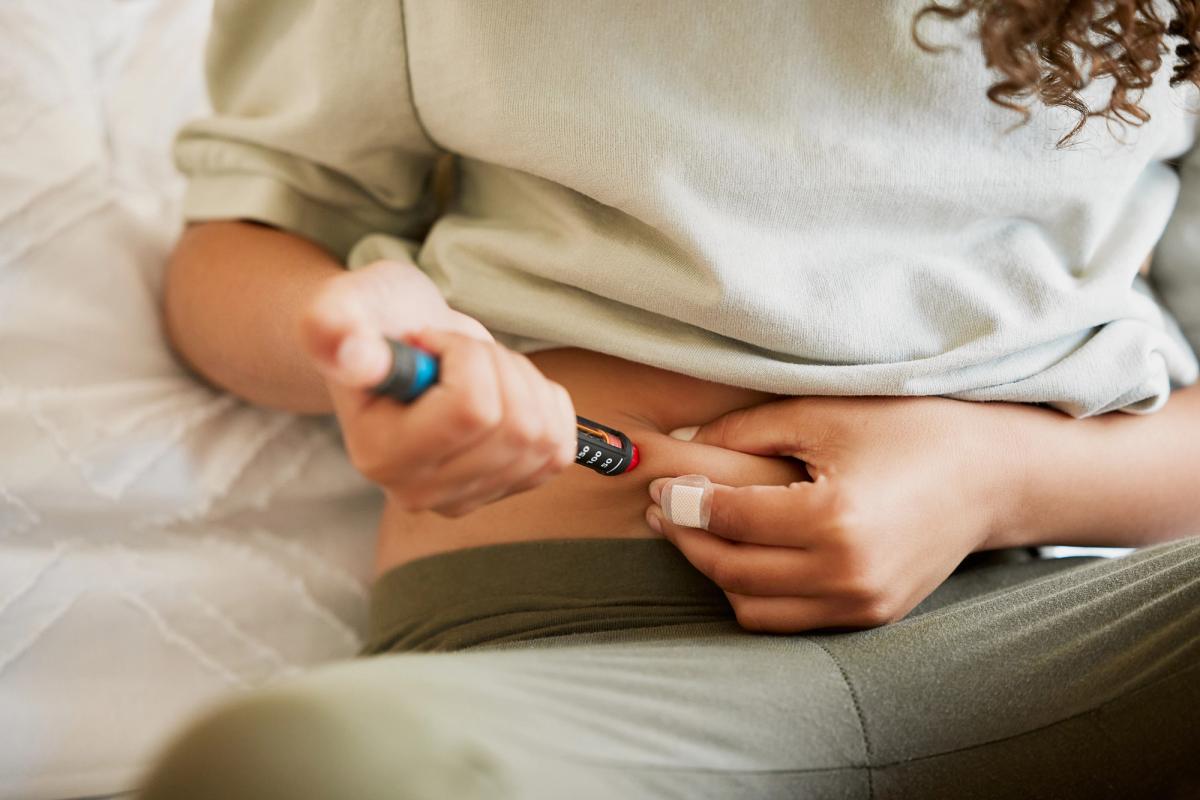
Ozempic and Wegovy are both semaglutide. A physician explains the real differences in dose, approval, cost, and which is meant for weight loss.
Ozempic vs Wegovy, From a Physician
By Dr. Sabeen Munib, MD, Family Medicine Physician at The Pur Health, Irvine & Orange County
Medically reviewed by Dr. Sabeen Munib, MD.
Patients often come in convinced Ozempic and Wegovy are competing weight loss drugs. They are not. They are the same medication, semaglutide, made by the same manufacturer. What differs is how each one is approved, dosed, and covered, and for anyone focused on weight loss, those differences are the whole story.
As physicians who prescribe these medications and manage patients on them, we want to cut through the marketing. Below is a clear comparison of Ozempic and Wegovy: how they work, the approved uses, the dosing, side effects and risks, cost and insurance, and how a provider actually decides which one fits you. We will also touch on Rybelsus and the tirzepatide drugs, since those come up in the same conversation.
The Same Drug, Different Labels
Both Ozempic and Wegovy contain semaglutide. The active ingredient, the mechanism, and the general side effect profile are identical. What changed is the label the FDA put on each one. Ozempic is approved to treat type 2 diabetes, and Wegovy is approved specifically for chronic weight management. Same molecule, two different jobs on paper.
How Ozempic and Wegovy Work
Semaglutide is a GLP-1 receptor agonist. It mimics a natural gut hormone that your body releases after eating. That hormone slows how quickly the stomach empties, tells the brain you are full, and helps the body control blood sugar. For a patient, the practical experience is reduced appetite, smaller portions without a constant fight, and steadier energy. The same mechanism that lowers blood sugar in diabetes is what drives weight loss, which is exactly why one medication ended up with two uses.
Approved Uses: Diabetes vs Weight Loss
Ozempic is FDA-approved to improve blood sugar in adults with type 2 diabetes, and it also has an approval to reduce the risk of major cardiovascular events in certain patients with diabetes and heart disease. It is frequently prescribed off label for weight loss because it is the same drug as Wegovy.
Wegovy is FDA-approved for chronic weight management in adults with obesity, or who are overweight with at least one weight-related condition, and it is also approved for adolescents aged 12 and older who meet criteria. If your goal is weight loss and you do not have diabetes, Wegovy is the label written for you, even though the medication inside the pen is the same.
The Dosing Difference
Both are once-weekly injections given under the skin, and both start at a low dose and step up slowly over weeks to limit nausea and other early symptoms. The practical difference is the ceiling. Ozempic is dosed up to 2.0mg weekly for blood sugar control, while Wegovy is titrated higher, up to 2.4mg weekly, specifically to drive greater weight loss. That higher maximum is a real reason Wegovy is the version studied and approved for weight management. There is also an oral form of semaglutide, sold as Rybelsus, though it is approved for diabetes rather than weight loss.
Weight Loss: What to Expect
Because they are the same drug, both produce weight loss, and at matched doses the effect is similar. Wegovy tends to deliver more total weight loss for the simple reason that it reaches a higher dose. In the semaglutide weight-management trials, adults on the 2.4mg dose lost roughly 15 percent of body weight on average over about a year. Individual results vary widely based on starting point, consistency, and the diet and activity around the medication. The medication reduces appetite. It does not replace the plan.
Side Effects and Risks
Since both are semaglutide, they share the same side effects. The most common are gastrointestinal: nausea, vomiting, diarrhea, constipation, and abdominal pain. These usually appear early, often after a dose increase, and tend to ease as the body adjusts. Because Wegovy is dosed higher, its side effects can be more intense for some patients, which is one more reason careful, slow titration matters.
Both medications also carry a boxed warning about a potential risk of thyroid C-cell tumors seen in animal studies, and they should not be used by people with a personal or family history of medullary thyroid cancer or the syndrome MEN2. This is exactly the kind of history a provider needs to review before writing a prescription, rather than ordering a drug online and hoping for the best.
Cost and Insurance
This is where the two really diverge in practice. Because Ozempic is labeled for diabetes and Wegovy for weight management, insurance coverage often follows the diagnosis. A patient with type 2 diabetes may find Ozempic covered, while coverage for Wegovy for weight loss varies widely by plan and is sometimes not covered at all. Manufacturer savings programs can help some patients. The result is that two people on what is essentially the same drug can pay very different amounts, which is why we check your specific coverage instead of guessing.
Which Should You Take?
For weight loss specifically, Wegovy is the version approved and dosed for the job, while Ozempic is used off label for the same purpose. For a patient with diabetes, Ozempic may be the natural choice that also happens to help with weight. In real life the decision often comes down to which one your insurance covers and what is in stock, not a meaningful medical difference. What matters more is the plan around the medication, which we cover in our full semaglutide guide.
What About Rybelsus and the Tirzepatide Drugs?
Rybelsus is oral semaglutide, a daily tablet approved for diabetes, so it is the same active ingredient in pill form. Mounjaro and Zepbound are a different drug, tirzepatide, which acts on two hormone pathways instead of one and tends to produce more weight loss on average. If you are weighing your options broadly, our semaglutide vs tirzepatide comparison lays out how those stack up.
How We Treat Weight Loss in Irvine
At The Pur Health in Irvine, we treat weight loss as a medical process, not a quick fix from an online pharmacy. Before prescribing semaglutide, we review your history, your other medications, and any thyroid or pancreatic concerns, then start low and titrate slowly to limit side effects. Our physician-supervised semaglutide weight loss program pairs the medication with the nutrition, protein, and activity plan that largely determines whether the results last. Because coverage and supply shift often, we also help you sort out which version, Ozempic or Wegovy, is realistic to obtain and afford, rather than leaving you to guess.
Frequently Asked Questions
Is 1 mg of Wegovy the same as 1 mg of Ozempic?
At the same milligram dose, yes, it is the same amount of the same drug, semaglutide. The difference is that Wegovy is approved to titrate up to a higher maximum dose, 2.4mg, than Ozempic, which stops at 2.0mg.
Why are people using Ozempic instead of Wegovy?
Usually because of cost, coverage, or supply. Since Ozempic is the same drug, some patients get it covered through a diabetes diagnosis or find it more available, and use it off label for weight loss under physician guidance.
What is the downside of Wegovy?
The main downsides are cost and coverage, gastrointestinal side effects that can be more intense at the higher dose, and the tendency to regain weight if the medication is stopped without a maintenance plan. It also is not appropriate for people with certain thyroid cancer histories.
Will I lose belly fat on Wegovy?
Weight loss on semaglutide generally reduces fat throughout the body, including the abdomen, but you cannot target belly fat specifically. Pairing the medication with protein intake and strength work helps you lose fat rather than muscle.
Is Ozempic or Wegovy better for weight loss?
Wegovy is approved and dosed for weight loss, so on paper it is the better fit for that goal, and its higher dose tends to produce more weight loss. In practice both are semaglutide, so availability and coverage often decide which one you actually use.
About the Author and Next Steps
Dr. Sabeen Munib is a family medicine physician with more than 15 years of experience in primary and holistic care in the Irvine area. She personally cares for patients at The Pur Health, where medically supervised weight loss and GLP-1 therapy are a core focus.
Not sure which version fits your goals and your coverage? Book a consultation and we will sort out the medication, the dose, and the plan together.
Sabeen Munib, MD
Physician, The Pur Health, Irvine & Orange County
More Similar Services

Body Scan
Discover your body's blueprint with a comprehensive body scan, where health meets insight.
Medical Weight Loss Irvine — Mounjaro, Zepbound, Ozempic & Wegovy Near Me
Mounjaro, Zepbound, Ozempic, Wegovy — brand name GLP-1s, physician-prescribed in Irvine CA.
Nutrition Counseling
Fuel Your Health: Unlock Your Potential with Personalized Nutrition Consulting!
Wegovy
Brand-name Wegovy, prescribed and followed by Dr. Sabeen Munib in Irvine.